

Article and tips
If you’ve ever wanted a single skillet to do the work of a whole Mediterranean spread—tender chicken, creamy orzo, briny olives, and tangy feta—this 30-minute one-pan dinner is it. Most recipes lean on chicken thighs for richness, but I wanted a version that works with the cooking for two you’re more likely to have on hand—and proves that white meat can stay juicy and deeply flavored when you treat it right. That one change makes this dish feel even more weeknight-friendly, without sacrificing the satisfaction of a slow-simmered sauce. (I say “creamy” because the orzo releases starch into the simmering broth, creating a velvety sauce without a drop of cream. That’s the magic of pasta water, and it’s free.)
The entire meal happens in one pan, start to finish. Clean-up is mercifully brief, and the plates come back empty every time I’ve served it—even on the most chaotic Tuesday nights. The key is the timing of the orzo and the chicken, which we’ll walk through together.
Why This One-Pan Wonder Works
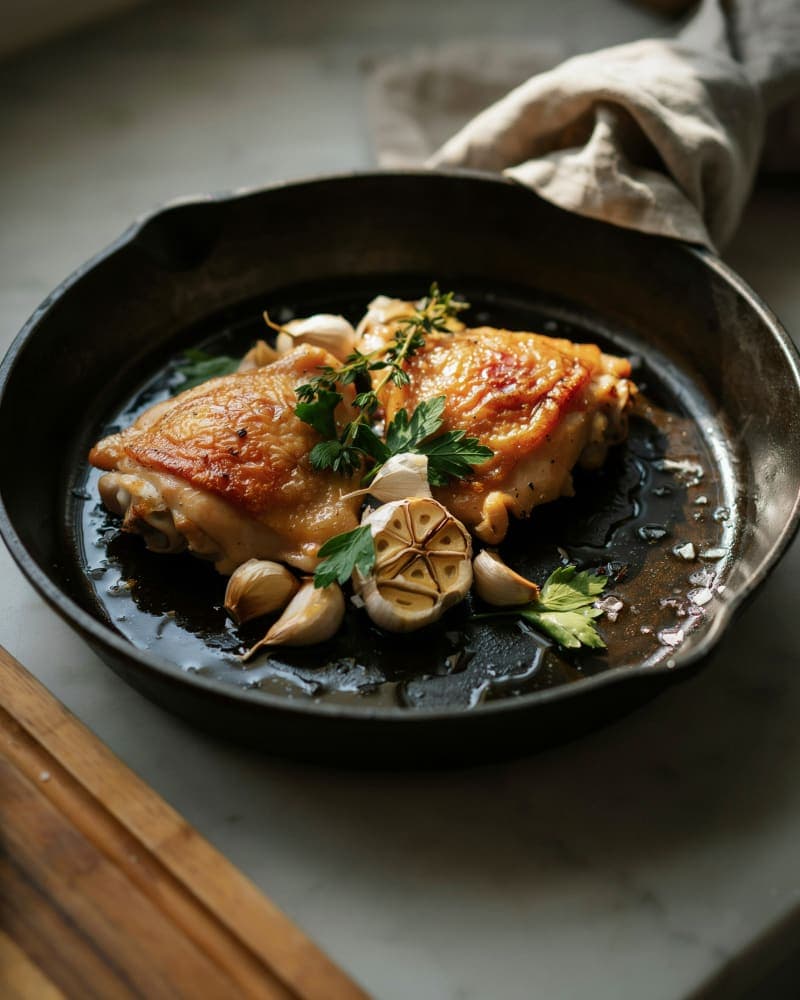
A single skillet can build layers of flavor that take a casserole twice as long to develop. When you sear the chicken first, you create a fond—those caramelized brown bits stuck to the bottom of the pan. That fond is pure flavor. Deglazing with white wine lemon chicken orzo for two lifts every speck of it into the sauce, so nothing goes to waste. The orzo then cooks directly in the broth and tomato mixture, absorbing that savory liquid and releasing enough starch to thicken the sauce naturally, no flour required.
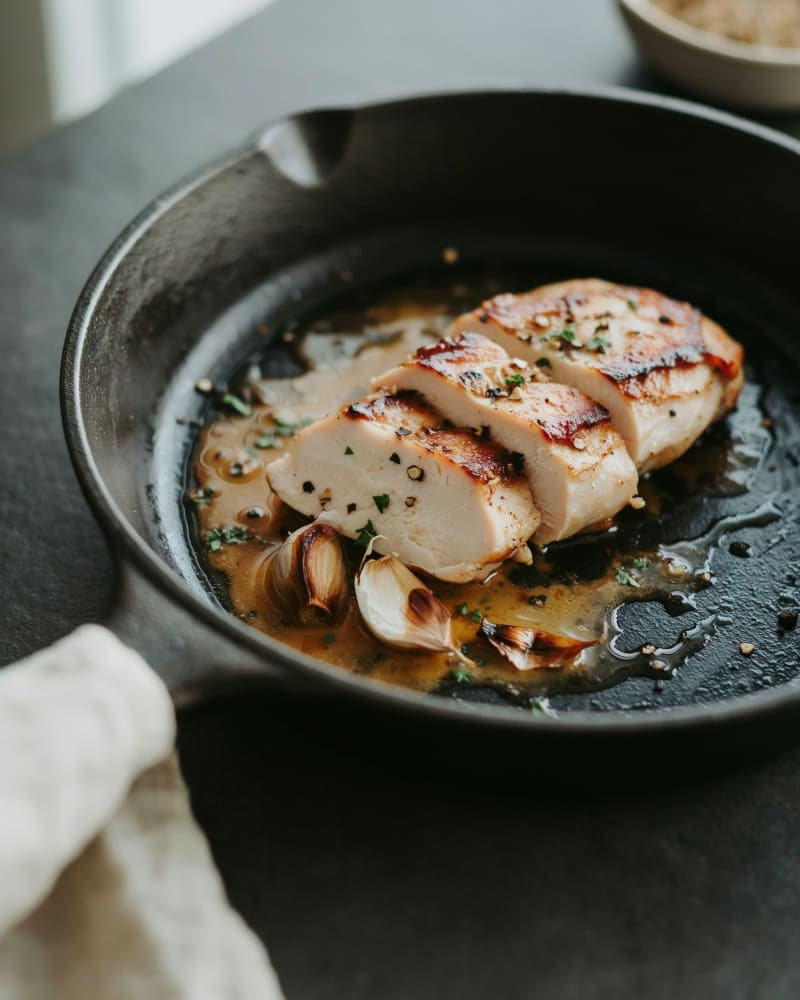
The chicken breast cutlets cook quickly and, because we remove them after searing and finish them gently back in the simmering liquid, they stay moist and hit USDA-safe temperatures without drying out. The spinach, olives, and feta are added off the heat, preserving the spinach’s bright color and the feta’s creamy crumble. And that final squeeze of lemon? It’s the simplest trick in the book, but it lifts every other flavor up a notch.
How to Make Mediterranean Chicken Orzo (Step-by-Step)
Before you fire up the stove, have a clean cutting board, a sharp knife, a wooden spoon, and your instant-read thermometer nearby. I measure everything into little bowls—yes, even the garlic—because this recipe goes quickly.
What Most Recipes Get Wrong
You’ll notice two patterns in most chicken orzo recipes: nearly every one defaults to chicken thighs, and many call for cooking the orzo separately—more pots, more time. Using thighs isn’t wrong; they’re naturally forgiving. But I’ve tested this with both cuts multiple times, and a properly handled chicken breast yields a clean, weeknight-friendly dish that doesn’t feel heavy. The other issue is liquid ratio. Several popular recipes try to cook orzo in a scant amount of broth, which leads to uneven cooking and a gummy texture. I use exactly 1 cup (240 ml) of broth for 3/4 cup (150 g) orzo, plus the moisture released by the tomatoes and spinach, to get a creamy, risotto-like finish every time.
This recipe sidesteps both problems—lean protein that stays juicy and a one-pan cooking method with the right hydration—so you end up with a dinner that’s as reliable as it is delicious.
Chef’s Tips & What I’ve Learned
- Chef Augustin’s Tip: Always slice your chicken breast into cutlets. A whole breast is too thick to cook through without burning the outside. Halve it horizontally so you get two evenly thin pieces. That 8-ounce (225 g) breast becomes two 4-ounce (115 g) cutlets, and they’ll sear in record time.
- Let the orzo rest for a minute off the heat before stirring in the spinach and olives. This allows the pasta to absorb the last bit of liquid without overcooking and keeps the spinach from turning army-green.
- I’ve made this dish with both multi-ply stainless steel and a seasoned cast-iron skillet. The stainless gave a more even sear and released the fond more cleanly during deglazing. Cast iron held heat well but required more active stirring to prevent hot spots. If you have a nonstick skillet—gasp, I know—it works, but you won’t get nearly the same depth of flavor because there won’t be a fond to deglaze.
- If creaminess is what sells you on this one-pan meal, know that a small pat of butter swirled in at the very end (off the heat) will take the sauce from velvety to almost silken. Not required, but definitely not a bad idea.
Frequently Asked Questions
How do I make Mediterranean chicken orzo with feta and olives for two?
You sear chicken cutlets first, build a quick sauce in the same pan with onion, garlic, wine, tomatoes, and broth, then simmer the orzo directly in that liquid along with the chicken. Once the pasta is tender and the chicken reaches 165°F / 74°C, stir in spinach, olives, and lemon juice. Finish with crumbled feta and serve. The whole process requires one skillet and about 30 minutes total.
Can I freeze Mediterranean chicken orzo?
I don’t recommend freezing because cooked orzo can become mushy when thawed and reheated. The spinach also loses its color and texture. However, you can refrigerate leftovers in an airtight container for up to 3 days. Reheat gently in a skillet with a splash of chicken broth or water to loosen the sauce, adding fresh feta and lemon just before serving.
How long does Mediterranean chicken orzo last in the fridge?
Stored properly in a sealed container, it’s good for up to 3 days. The flavors meld beautifully, but I suggest adding a fresh sprinkle of feta and a squeeze of lemon when you reheat, because the initial brightness fades after the first day.
What to serve with Mediterranean chicken orzo?
The dish is a complete one-pan meal with protein, starch, and vegetables, so I keep the accompaniments simple. A crunchy cucumber and tomato salad dressed with red wine vinegar adds a crisp contrast. Warm pita or crusty bread is great for mopping up the sauce. If you’re in a wine mood, a glass of the same Sauvignon Blanc you used in the pan ties everything together.
What are the most common mistakes when making Mediterranean chicken orzo?
Crowding the chicken during searing (steam instead of browning), not fully drying the chicken before adding it to the hot pan, and cooking the orzo at too high a heat so it sticks and scorches before absorbing the liquid. Other mistakes include skipping the lemon juice at the end—it’s that essential pop of acidity—and not using an instant-read thermometer to confirm the chicken is safely at 165°F / 74°C.
Is this dish gluten-free?
Traditional orzo is made from wheat, so the recipe as written is not gluten-free. To make it gluten-free, you can substitute a gluten-free small pasta (look for one that holds its shape well) or even a short-grain rice like Arborio—though the cook time and liquid ratio would need tweaking. Feta and the other ingredients are naturally gluten-free, but always check the wine and broth labels to be sure.
The skillet goes right to the table, still sizzling faintly, two forks waiting. You squeeze a final wedge of lemon over the top, and for a moment, dinner feels like a stolen evening on a Greek island—even if it’s just Tuesday night in a small kitchen.