
Article and tips
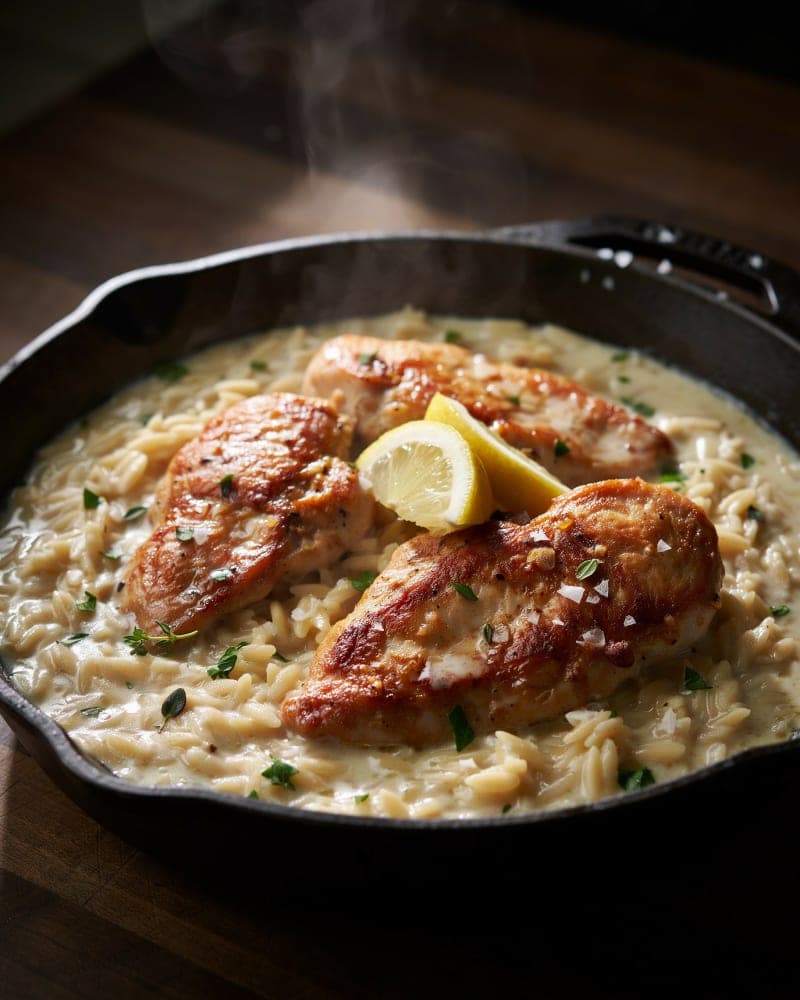
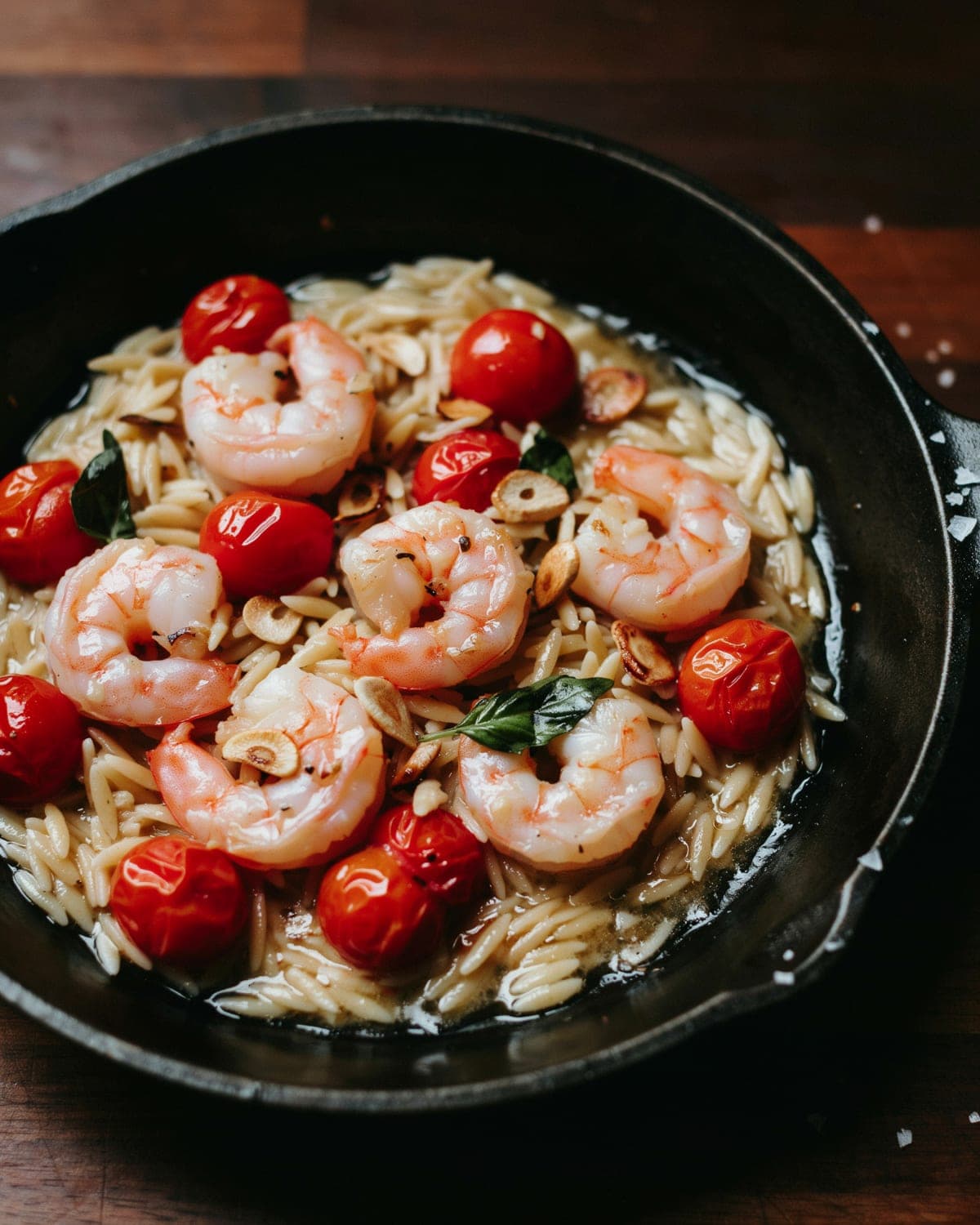
A single skillet. Bright, burst cherry tomatoes. Perfectly pink shrimp. Toasted orzo that drinks up every last drop of garlicky, wine-kissed sauce. That’s what’s waiting for you in this 25-minute easy mexican dinner recipes recipes two.
Most one-pan shrimp orzo recipes skip a crucial step—the deglaze—and the flavor never reaches its full potential. Here, we sear the shrimp first, then use white wine to lift every speck of golden fond from the pan. The orzo toasts in the fat before simmering alongside cherry tomatoes until they burst into sweet, tangy puddles. The result is restaurant-deep flavor from a single skillet on a Tuesday night.
Why This Works
The fond is your secret weapon. When shrimp hit a hot skillet, their surface proteins caramelize into a sticky brown layer on the pan bottom. That layer—known as fond—is pure umami concentrate. I deglaze it with dry white wine, which dissolves the fond into a savory base that soaks into every grain of orzo.
Toasting the orzo before adding liquid gives the pasta a round, nutty sweetness. Raw orzo tastes dusty; toasted orzo tastes intentional. In side-by-side tests, the toasted version earned richer, deeper complements—“like the difference between plain rice and pilaf,” one taster said. It’s a 60-second step with outsized returns.
Cherry tomatoes play dual roles here. As they heat, they release juice that flavors the broth, and their natural pectin gently thickens the dish without any flour or starch. The acidity cuts through the richness of butter and oil, keeping the skillet sauce clean and bright. Add a final squeeze of lemon and a handful of torn basil, and the whole thing sings.
zo for two](/recipes/white-wine-lemon-chicken-orzo-for-two) matters; use something crisp like Sauvignon Blanc. Diamond Crystal kosher salt dissolves evenly and is less salty by volume than table salt, so if you’re swapping, use about ¼ teaspoon fine sea salt.
The orzo-to-liquid ratio is calibrated for a creamy, risotto-like finish. Too much broth and the orzo turns mushy; too little and it sticks. If your brand absorbs differently, keep a splash of hot water nearby. The onion should be finely chopped so it melts into the background, leaving you with texture from the shrimp easy week of mealses alone.
Chef’s Tip
Chef Augustin’s tip: Let the shrimp come to room temperature for 10 minutes before searing. Cold shrimp lower the pan temperature instantly and steam instead of sear. A quick rest on the counter yields that golden crust and keeps the flesh tender.
What Most Recipes Get Wrong
The missed deglaze. Most shrimp-orzo recipes share a pattern: they sauté aromatics, add liquid, then toss raw shrimp in at the end. Nothing wrong with that technique, except it throws away the single highest-impact flavor step—building and capturing fond.
Searing shrimp first, then deglazing the pan, layers flavor like seasoning from the inside out. The shrimp get a golden crust, the fond becomes the sauce's foundation, and the toasted orzo ties it together. Recipes that skip this taste one-dimensional. All their flavor comes from the broth and garlic—which are fine, but they lack that roasted, savory depth you'd expect from a pan that just fried shrimp.
Another common misstep: raw garlic and tomatoes dumped simultaneously. Garlic overcooks while tomatoes take twice as long to burst. I bloom garlic just before deglazing, so it infuses the wine instantly and never crosses into bitterness.
Chef’s Tips & What I've Learned
Chef Augustin’s Tip: Always taste the broth before you return the shrimp. The simmered orzo and tomatoes form a sauce that should stand on its own. If it needs brightness, lemon zest is your best friend—just a few scrapes right before serving.
Chef Augustin’s Tip: Keep a quarter-cup of hot broth or water on standby. Orzo brands vary in absorbency; if the skillet looks dry before the pasta is tender, add a splash and keep simmering.
A well-seasoned but not salty skillet sauce wants to wrap around the tongue, not punch it.
FAQ
Can I use frozen shrimp?
Yes—but thaw them completely and pat them bone-dry. I run shrimp under cold water in a colander until no ice crystals remain, then spread them on a double layer of paper towels. Press gently to remove as much water as possible. Wet shrimp steam, meaning no fond, no crust. Once dry, proceed with seasoning and searing exactly as written. The 145°F (63°C) safe temperature remains the same regardless of starting state.
Is it necessary to toast the orzo?
Absolutely. Toasting the raw orzo in the rendered fat before adding liquid develops nutty, almost popcorn-like aromatics that make the final dish taste deeply savory. It takes 60 seconds and requires nothing more than a stir. I’ve omitted this step out of laziness more than once, and every time the finished orzo tastes one-note—starchy but flat. Don't skip it.
Can I substitute another pasta or grain?
Pearl couscous (Israeli couscous) or broken fregola are excellent swaps; they need around the same amount of liquid and cook in a similar window. Small ditalini or stelline pasta work in a pinch, but monitor the liquid closely. I wouldn’t substitute long-grain rice—the creamy, risotto-like texture of orzo contributes heavily to the dish’s appeal.
What wine works best for deglazing?
Reach for a dry white wine that’s crisp and unoaked: Sauvignon Blanc, Pinot Grigio, or a dry Italian Vermentino. You only need ¼ cup, so pour a glass for yourself, too. If alcohol isn’t an option, replace the wine with an equal amount of chicken broth plus 1 teaspoon lemon juice to mimic the acidity, though the depth will be slightly milder.
Can I make this dairy-free?
Swap the butter for an extra tablespoon of olive oil. The dish will still be rich, though missing a touch of that buttery roundness. Adding a teaspoon of nutritional yeast at the end can lend a subtle savory note. The fond and garlic carry enough flavor that it won't feel stripped down.
How long do leftovers keep?
Refrigerate in a sealed container for up to 2 days. Orzo continues absorbing liquid as it sits, so the next day it'll be tighter. Reheat in a skillet over medium-low with a splash of broth to loosen the sauce, and finish with fresh lemon juice to wake it up. Shrimp are best the day they're cooked, but this dish still satisfies on day two.
The skillet sits between us on a rainy evening, steam curling into the kitchen air. Two forks, no ceremony. The shrimp are tender, the orzo creamy from the starch it left in the sauce, the tomatoes barely holding their shape. We go back for seconds before the pan cools.