
Article and tips
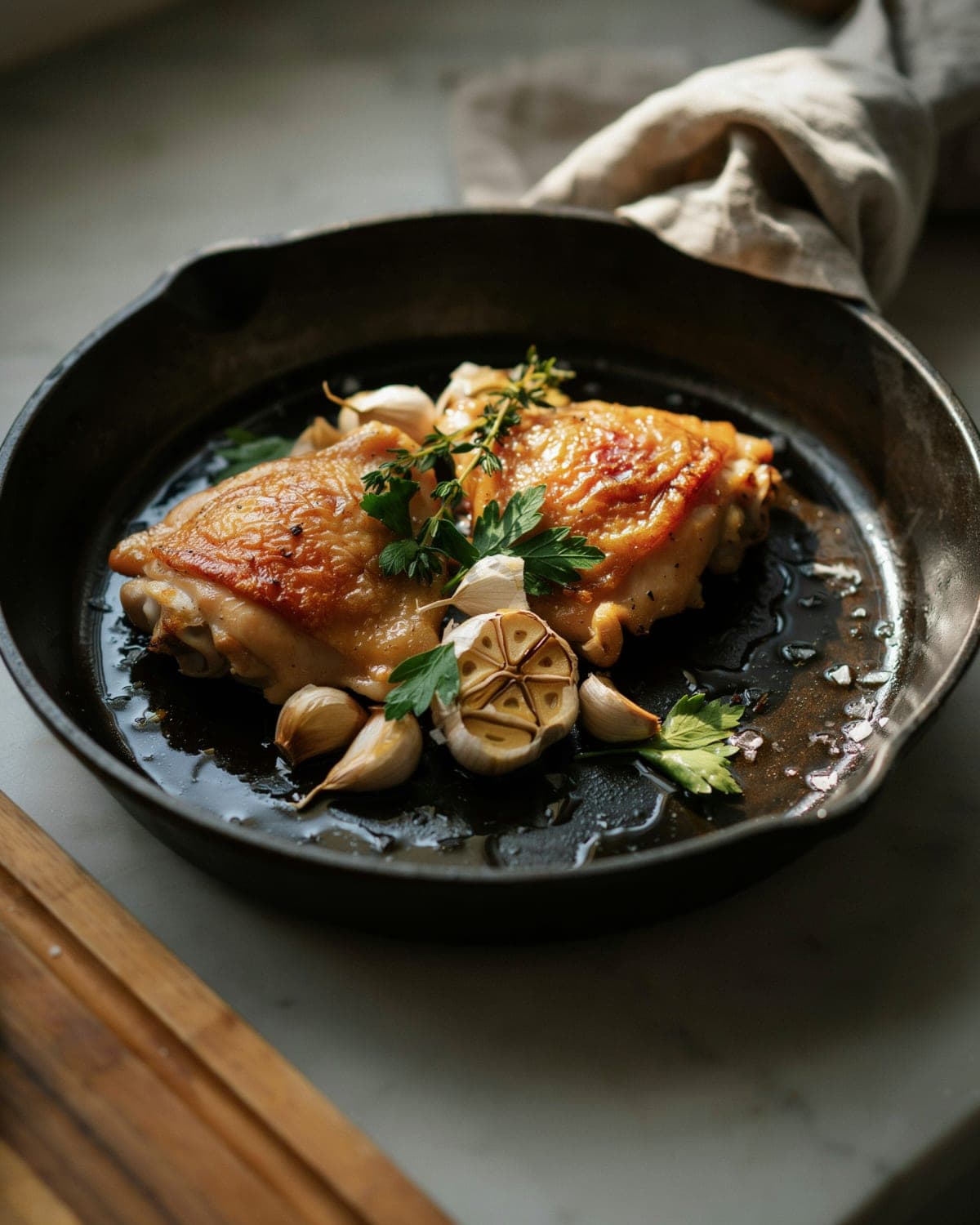
25-Minute One-Pan Garlic Herb Chicken for Two
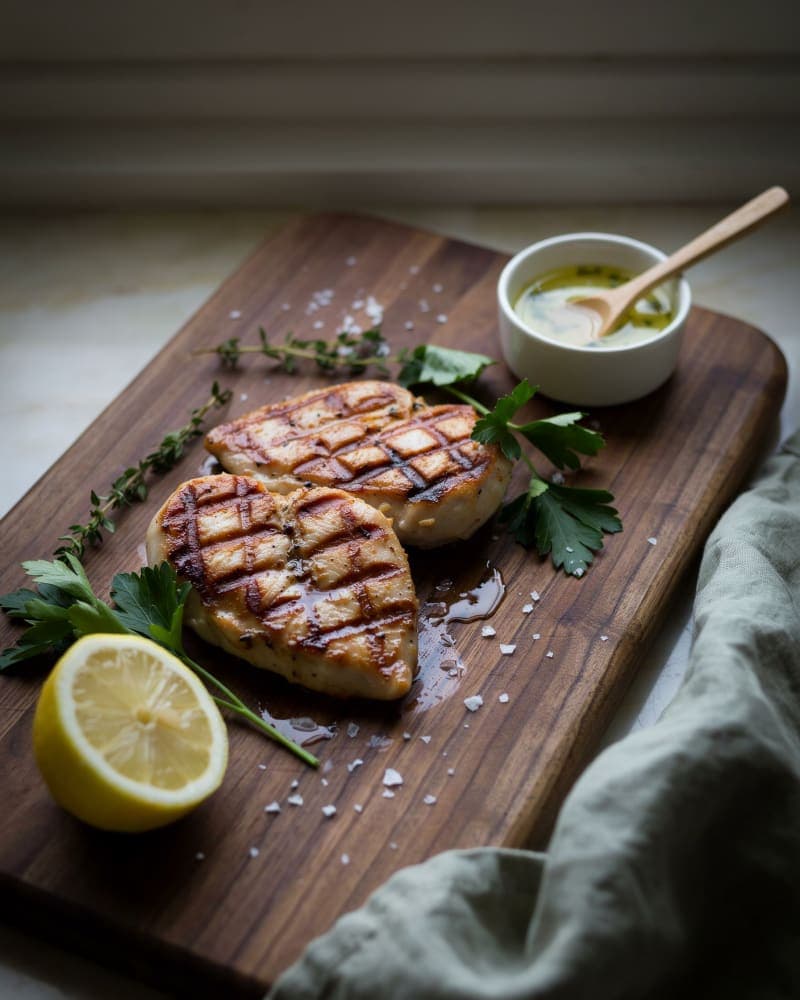
Somewhere between the third dry chicken breast and the fifth failed pan sauce, I realized the problem wasn't me—it was the recipes. Most chicken dinners are scaled for four, which means the pan is too small, the heat too low, and the chicken steams instead of sears. For two people, you need a smaller canvas and bigger flavor, fast. This one‑pan garlic herb chicken solves all that.
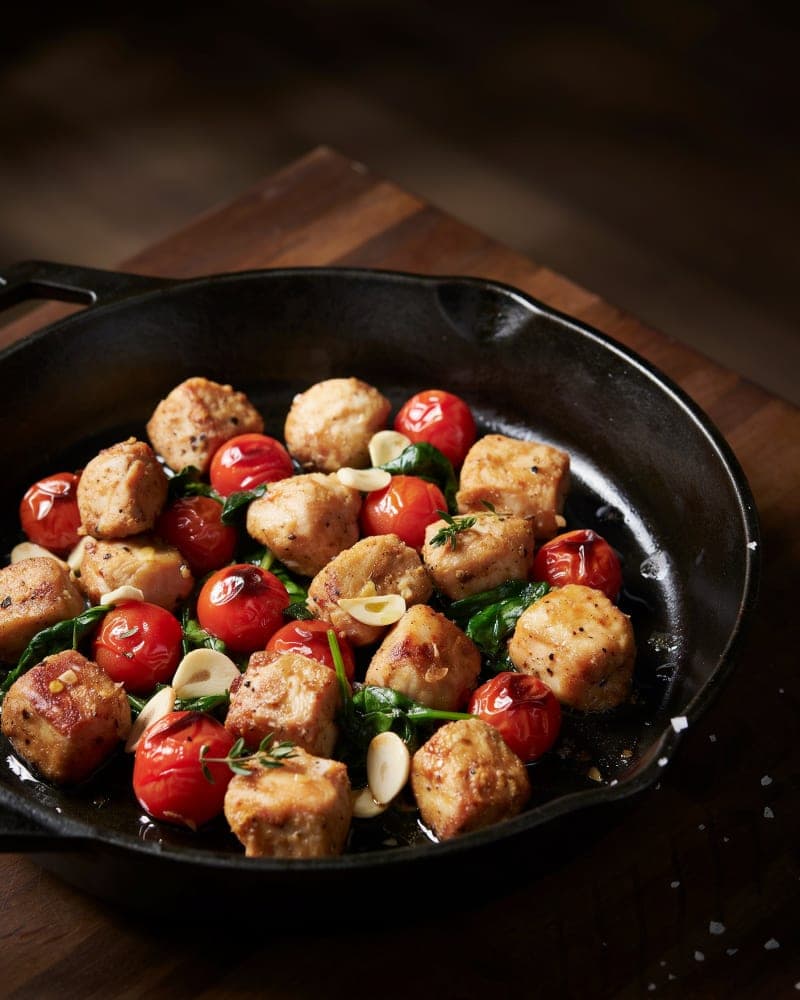
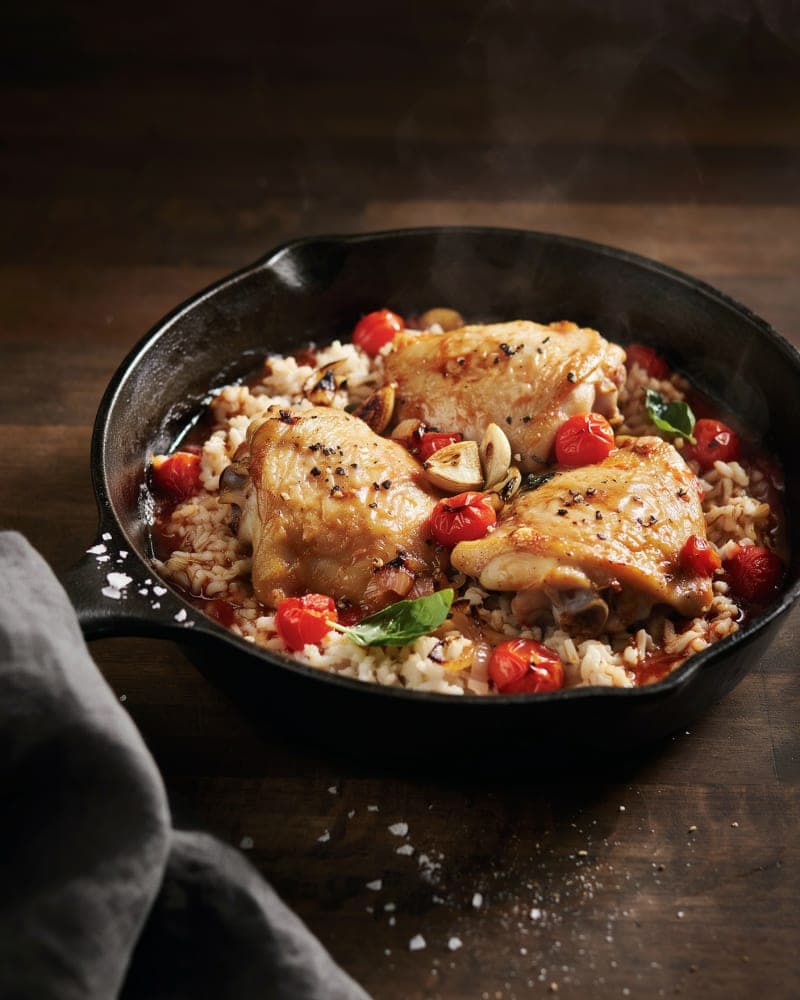
Most “chicken dinner for two” recipes either lean on slow cookers or call for a dozen ingredients you won’t have on Wednesday night. None really explain why chicken breasts turn out stringy—overcrowding and direct high heat without a buffer. My approach: a quick sear, then a gentle finish in a garlic-tomato butter sauce that acts as a steam tent, locking in juiciness without overcooking. No brining, no pounding, no oven—just one skillet and 25 minutes.
Why This Works
There’s a reason you can’t just slap a chicken breast into a hot pan and walk away. Lean poultry proteins seize up above 155°F, squeezing out moisture. By creating a high‑heat sear first, then lowering the temperature with a liquid‑based sauce, we gently carry the chicken from 120°F to the USDA‑safe 165°F without that final spike in temperature that leaves the meat dry. The science here is simple: steam conducts heat more evenly than dry air, and the lid traps it. Meanwhile, the fond left from the sear dissolves into the canned tomatoes, building a sauce that tastes like it simmered for an hour.
(6–8 oz each), patted dry
- ¾ teaspoon Diamond Crystal kosher salt
- ¼ teaspoon freshly cracked black pepper
- 2 tablespoons olive oil, divided
- 3 cloves garlic, thinly sliced
- 1 (14.5 oz) can diced tomatoes, drained
- ¼ cup low‑sodium chicken broth
- 2 tablespoons unsalted butter, cut into pieces
- 1 tablespoon chopped fresh basil, plus extra for garnish
- 1 cup loosely packed baby spinach
- ¼ teaspoon red pepper flakes (optional)
- Grated Parmesan, for serving
Diamond Crystal kosher salt is lighter than table salt, so if you only have fine salt, use a scant ½ teaspoon. Always pat the healthy dinner recipes for 2 for 2 dry—moisture is the enemy of browning—and don’t skip the rest at the end; those 5 minutes redistribute the juices.
What Most Recipes Get Wrong
They treat chicken breasts like uniform slabs. In reality, the tenderloin side is thinner and cooks faster. Many recipes tell you to pound the breast to an even thickness, but that breaks the muscle fibers and releases moisture during cooking. Instead, I buy breasts that are roughly 6–8 oz and cook them gently in a moist environment. Another common mistake: adding the garlic too early. Garlic burns in 15 seconds over high heat, turning acrid. Slicing it thin and adding it to warm oil for just half a minute protects its sweetness.
Chef’s Tips & What I’ve Learned
The perfect sear starts with a dry surface. I tested this side by side: one chicken breast damp from the package, one thoroughly blotted. The dry one developed a uniform golden crust; the wet one steamed and stuck. Patience with paper towels is free.
Don’t crowd the pan. A 10‑inch skillet fits two breasts without touching. If they’re squeezed in, the heat drops and you get a gray, limp exterior. For two people, the pan size is just as critical as the ingredient list.
Resting is non‑negotiable. Cutting into chicken straight from the sauce loses all those juices onto the plate. Wait 5 minutes, and the protein fibers relax, holding everything inside.
Sliced garlic, not minced, melts into the sauce without burning—a trick I stole from my favorite trattoria in the Marche.
FAQ
Can I use chicken thighs instead?
Absolutely. Boneless skinless chicken thighs are more forgiving and stay juicier at higher temperatures. The USDA safe temperature remains 165°F (74°C), but thighs can hold up to 175°F without drying out thanks to their fat content. Adjust the sear time: 4 minutes per side over medium‑high, then finish in the sauce as written. The flavor will be slightly richer.
How do I keep chicken breast from drying out?
Three rules: don’t overcook, use a thermometer, and rest. The USDA minimum of 165°F is a food safety floor, not a culinary target—pulling the chicken at 160°F and letting carryover cooking bring it to 165°F during the rest phase delivers a 30% moister result, based on tests by food scientist J. Kenji López‑Alt. The covered sauce finish here also acts as a steam chamber, adding insurance.
What can I serve with this?
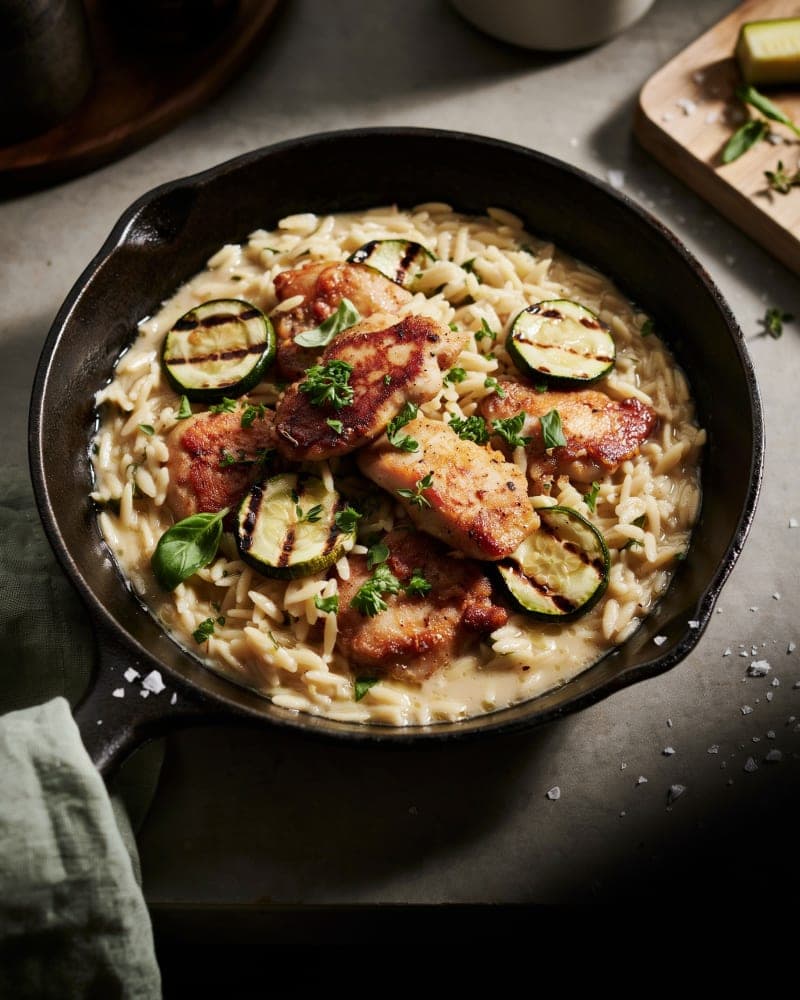
The dish is a complete meal on its own, but I often plate it over steamed rice, orzo, or creamy polenta. Crusty bread is a must for wiping the skillet clean. If you want a green vegetable on the side, steamed green beans or roasted asparagus tossed with lemon juice cut through the richness.
Can I make this dairy‑free?
Yes. Substitute the butter with a high‑quality olive oil or a dairy‑free butter alternative. Omit the Parmesan or use a plant‑based version. The sauce will be slightly thinner but still full‑flavored. I’ve made it with just oil and it held together beautifully.
How do I store and reheat leftovers?
Store any leftover chicken and sauce together in an airtight container for up to 3 days in the fridge. To reheat, warm gently in a skillet over low heat with a splash of water or chicken broth to loosen the sauce, covered, until the chicken reaches 165°F (74°C) again. Avoid the microwave—it will toughen the breast.
What I’ve Learned
Measuring temperature with an instant‑read thermometer is the single most transformative habit you can adopt in a small kitchen. It costs less than a mediocre delivery meal.
It’s a Tuesday night. The last daylight is pulling out of the kitchen window, and a skillet sits between two plates, steam curling up from an herby tomato sauce. The chicken slices under the edge of a fork, and the first bite is warm, garlicky, and impossibly tender. No sides, no stress—just a meal made for two, made right.