Article and tips
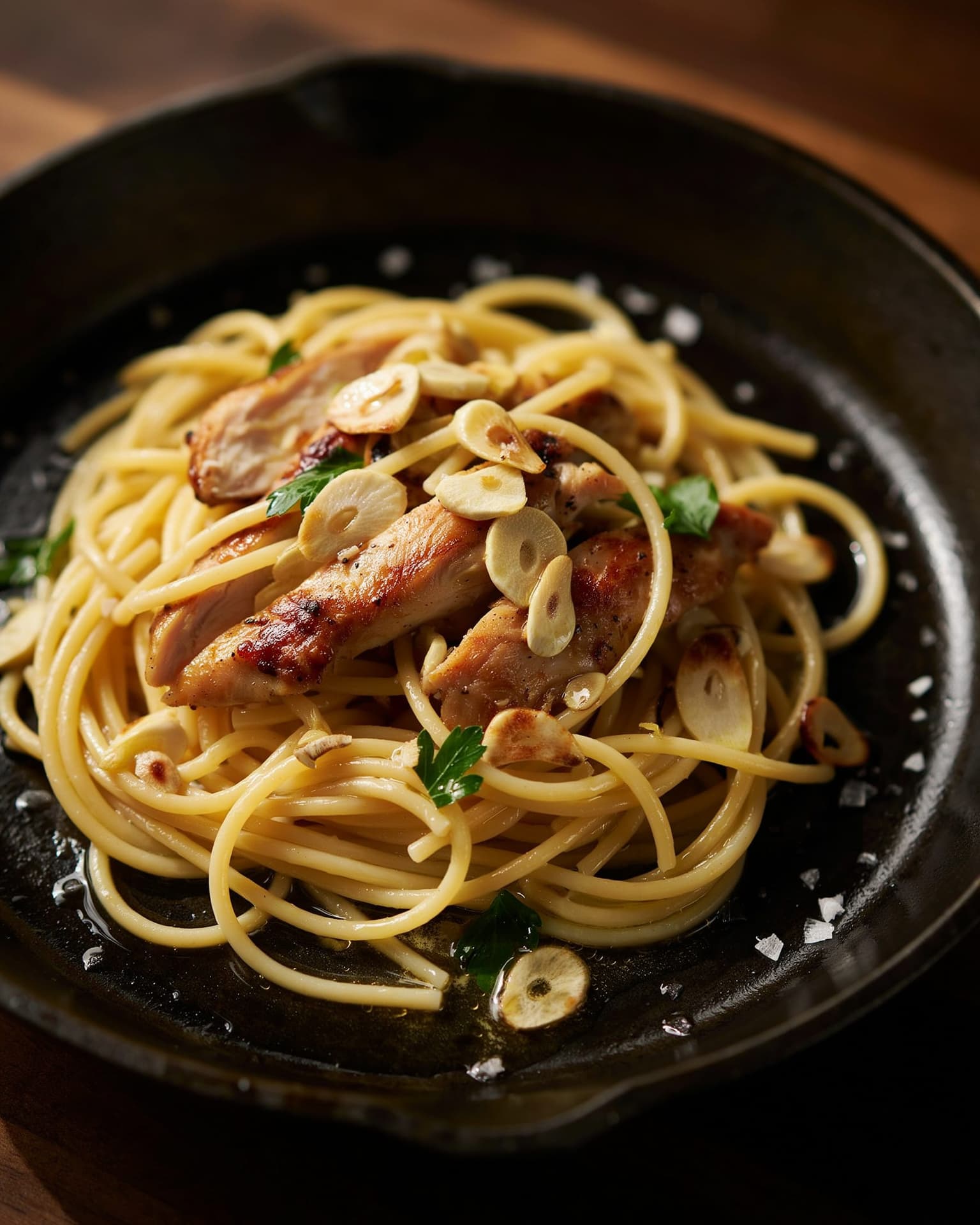
Dinner for two shouldn't require three pans and a sink full of regret. Tonight it's one skillet, one pot of pasta, and about twenty minutes from cold chicken to a plate you'll want to photograph. Most "quick dinner for two" roundups online (I read through eight of the top-ranked ones before writing this) give you a list of ideas — Alfredo, quesadillas, tuna melts — but skip the one thing that actually makes weeknight cooking fast: cooking the protein and the sauce in the same pan so the fond does the work for you. That's the angle here. Every brown bit stuck to the skillet after searing chicken is free flavor, and I'm going to show you how to spend it.
This is the meal I make when it's 6:40 p.m., we're both hungry, and neither of us wants to "decide." It scales cleanly to two portions (no sad leftover half-recipe), and the sauce comes together while the pasta boils. That's the whole trick to fast cooking for two — overlapping tasks, not rushing them.
Why This Works
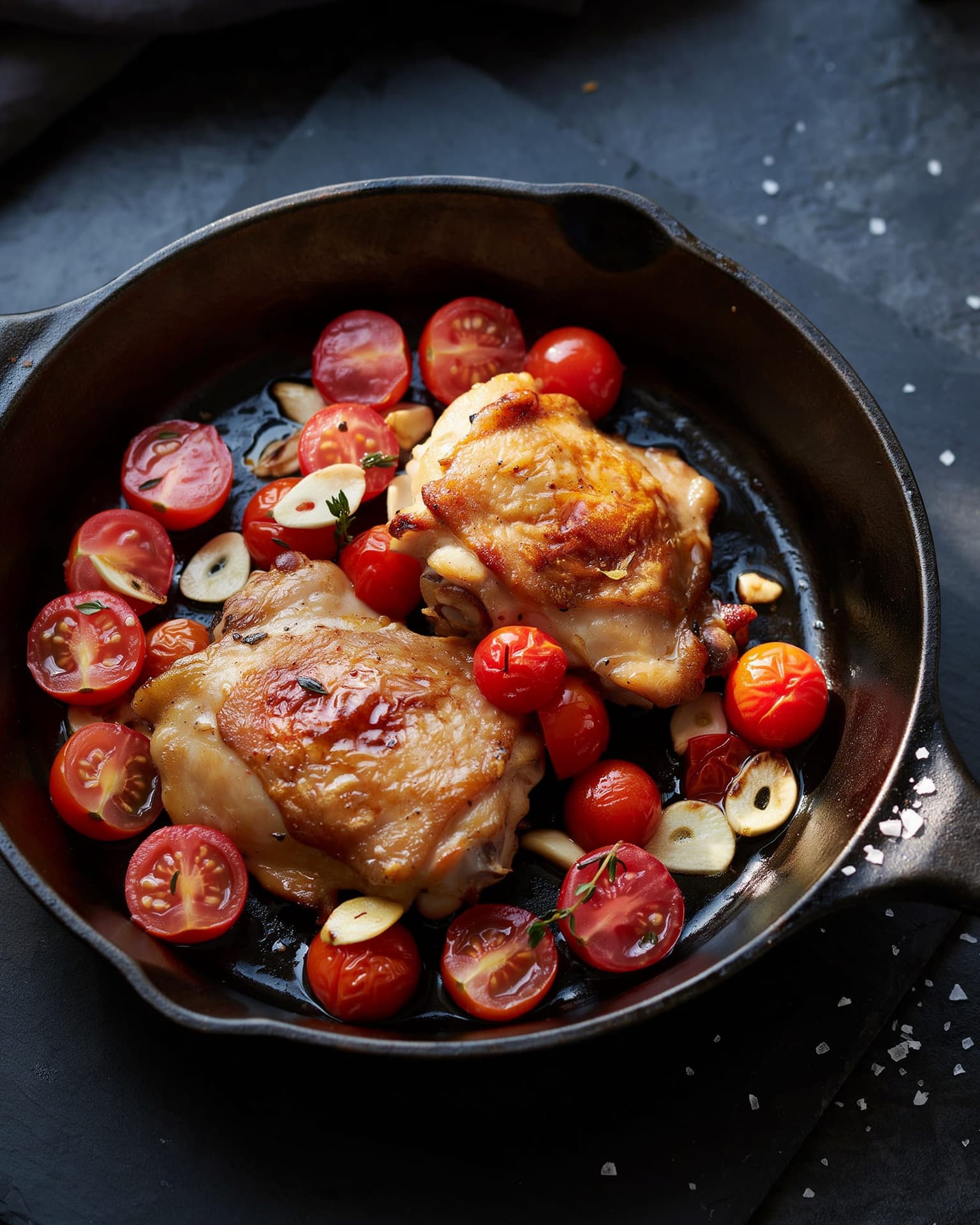
The magic is the fond — those caramelized brown bits left in the pan after you sear the chicken. When you sear chicken breast in a hot skillet, the Maillard reaction (the chemistry of browning that kicks in around 300°F / 150°C) builds hundreds of flavor compounds on the meat's surface and on the pan itself. If you wipe that pan and start a sauce from scratch, you've thrown that flavor away. Instead, I deglaze: I pour liquid into the hot pan and scrape the fond loose so it dissolves into the sauce.
I've tested this deglazing step with both water and canned tomato liquid, and the tomatoes win by a mile — their acidity lifts the fond faster and adds body. According to USDA guidance, chicken breast is safe at an internal temperature of 165°F / 74°C, and searing then finishing in the sauce gets you there without drying the meat out, because the sauce insulates it during the last few minutes. Fast doesn't have to mean rubbery.
Garlic butter is doing double duty too. Butter is an emulsion of fat and water; when you melt it into the pasta at the end with a splash of starchy pasta water, it forms a glossy sauce that clings to every noodle. That's why I always save a mug of pasta water before draining.
What Most Recipes Get Wrong
The top-ranked "fast dinner for two" articles treat speed as a list problem — here are 15 ideas, pick one. But the real bottleneck on a weeknight isn't deciding, it's dishes and dead time. Almost none of them teach you to cook the protein and the sauce in the same pan, which is the single biggest time-and-flavor saver in home cooking. They tell you to make a sauce and cook chicken separately, then combine — two pans, two cleanups, and you've discarded the fond.
The other miss: nobody mentions saving pasta water. I've watched people drain pasta straight down the sink and then wonder why their sauce won't stick. That cloudy, starchy water is liquid gold for emulsifying a quick sauce.
Chef's Tips & What I've Learned
Chef Augustin's Tip: Slice the chicken against the grain. The muscle fibers run in one direction; cutting across them shortens each fiber so every bite is tender instead of stringy. On a chicken breast the grain usually runs lengthwise, so slice crosswise.
Chef Augustin's Tip: If your sauce tastes flat, it's almost always missing salt or acid — not more herbs. A final pinch of salt or a squeeze of lemon wakes the whole pan up. I keep a lemon by the stove for exactly this.
Cooking for two is the easiest number to cook for — small pans heat fast and nothing gets lost in the crowd.
I've made this in both a nonstick and a stainless skillet. Stainless gives you better fond (and therefore a better sauce), but nonstick is more forgiving if your chicken sticks. Use what you have.
Frequently Asked Questions
What is the easiest fastest dinner for two?
A one-pan protein-and-sauce dish like this is my answer. Because the pasta boils while the chicken sears and the sauce comes together in the same skillet, active time is around 20 minutes with only two vessels to wash. The key is overlapping tasks — start the water first, sear while it boils, and build the sauce in the pan you already dirtied. Speed comes from sequencing, not from cutting corners on flavor.
Can I use ground beef instead of chicken?
Absolutely, and it's actually faster. Skip the searing-and-resting steps and instead brown 8 oz (225g) ground beef in the skillet, breaking it up as it cooks, until it reaches an internal temperature of 160°F / 71°C. Drain off excess fat, then deglaze with the canned tomatoes right in the same pan. The fond from browned beef makes an even richer sauce. Everything else stays the same — same pasta, same garlic butter finish.
How do I feed two people cheaply with this?
This recipe already leans budget-friendly: one chicken breast, half a box of pasta, a can of tomatoes, and frozen vegetables run a few dollars total. To stretch it further, swap the chicken for two eggs stirred in at the end, or bulk it out with an extra handful of frozen vegetables. Rice is cheaper than pasta per serving if you're counting pennies. The garlic-butter-tomato base is forgiving enough to carry whatever protein is on sale.
Why is my chicken dry?
Almost always overcooking. Chicken breast is safe at 165°F / 74°C, but every extra minute past that squeezes out moisture. Use an instant-read thermometer and pull the breast the moment it hits temperature, then let it rest — resting lets the juices redistribute instead of running onto the cutting board. Searing over high heat and finishing briefly in the sauce also helps, because the sauce shields the meat from direct heat during the last few minutes.
Can I make this ahead of time?
You can, but it's best fresh. The pasta absorbs sauce as it sits, so leftovers tighten up. Store cooled portions in an airtight container in the fridge for up to 3 days. When reheating, add a splash of water or broth and warm gently on the stove — this loosens the sauce back to its original glossy texture. I don't recommend freezing; the tomato sauce holds fine but cooked pasta turns mushy after thawing.
By the time you sit down, the kitchen still smells like garlic and browned butter, there are exactly two forks and one pan in the sink, and the pasta is still steaming on the plate between you.