Article and tips
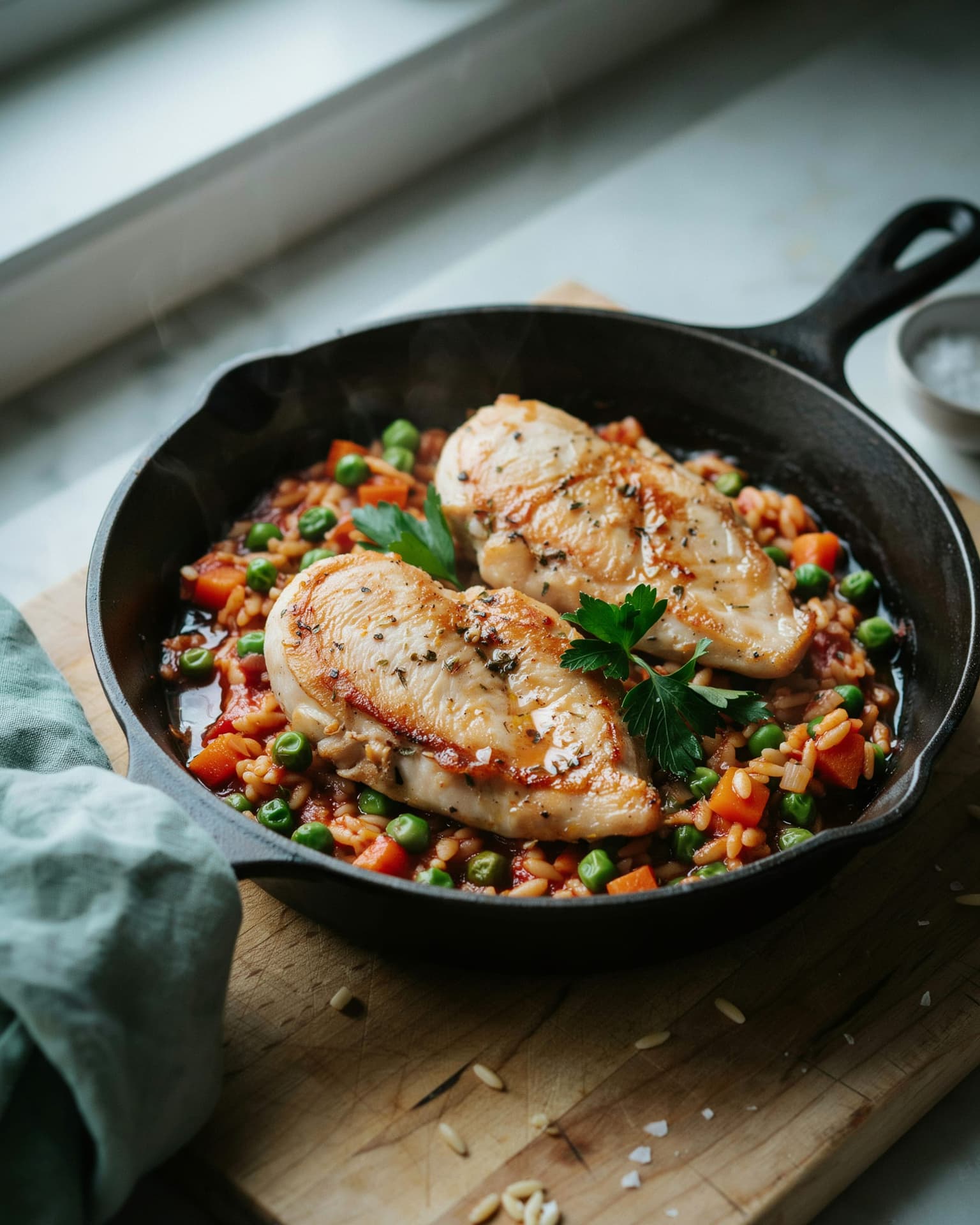
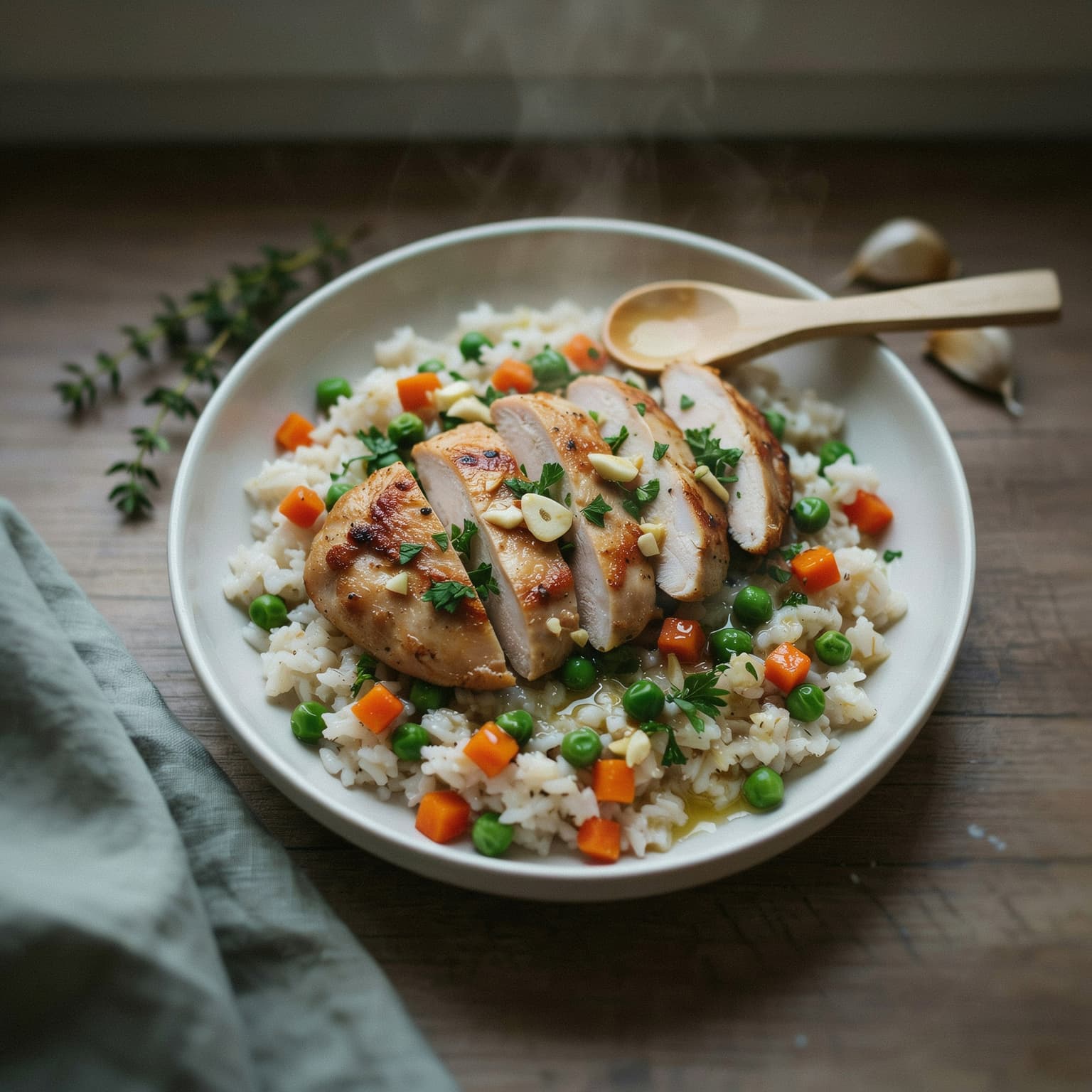
Most "easy healthy dinner for two" articles throw fifty ideas at you and abandon you in the aisle staring at a wall of chicken breasts, feeling anything but inspired. This one-pan lemon herb chicken orzo is different—it's the single recipe you'll actually make on a Tuesday night. A single skillet takes you from raw chicken to a plate of lemon-bright, Parmesan-creamy orzo studded with blistered tomatoes and zucchini in twenty-five minutes. No piles of prep bowls, no side dish juggling act. Just deeply carved flavor in the time it takes your partner to set the table.
Why This Works (the Pan-Science Version)
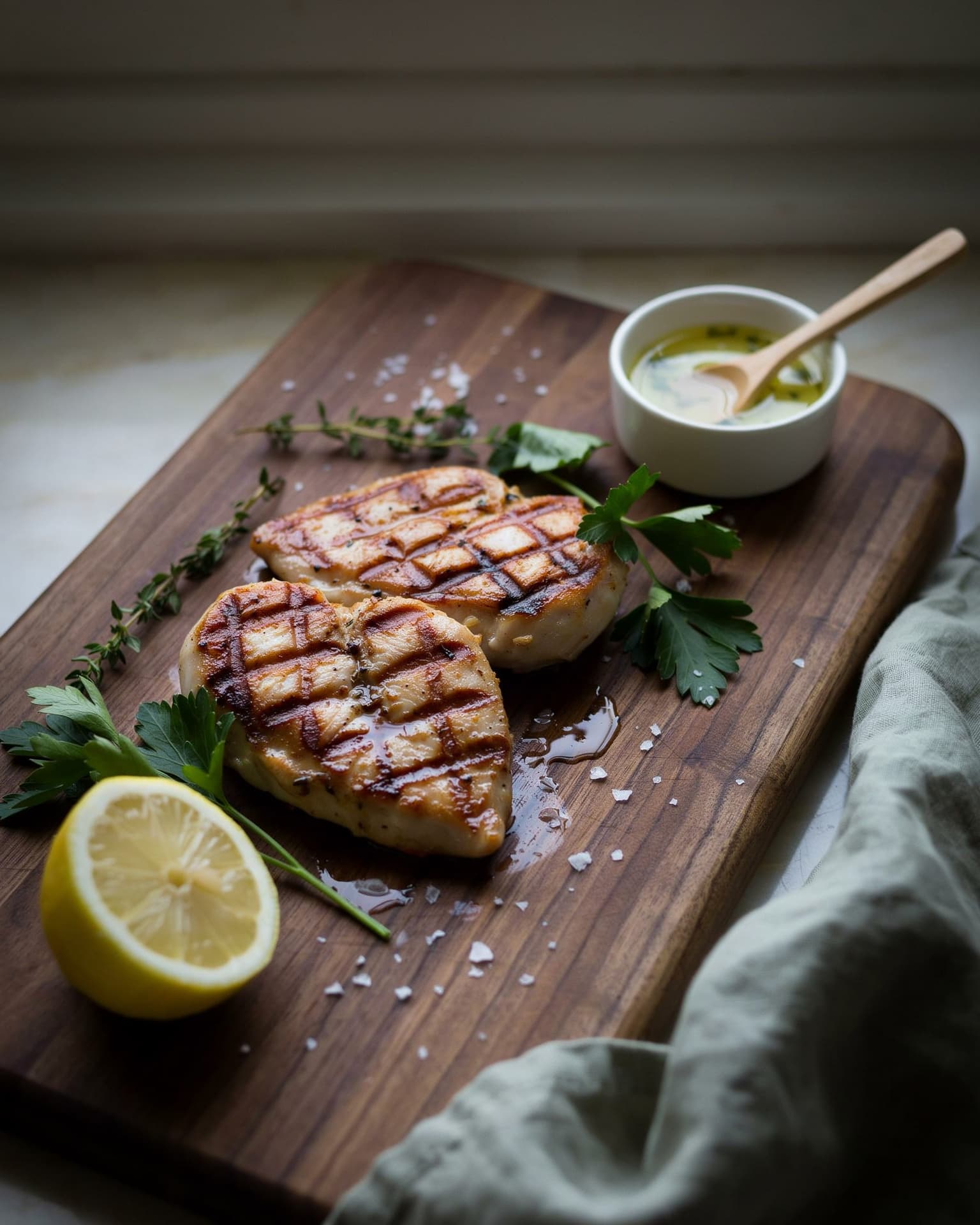
The magic lives in the residue left behind after you sear the chicken. When those breast fillets hit a hot cast iron skillet, the surface moisture evaporates almost instantly, and the proteins undergo the Maillard reaction—a cascade of browning that produces hundreds of aromatic compounds. You’re not just making the outside pretty; you’re building a flavor base that will echo through every grain of orzo.
Once the chicken rests, into that same pan go garlic, zucchini, and cherry tomatoes. The vegetables release their own water, which lifts those golden-brown fond bits from the skillet floor. This is the moment most people rush—they dump in liquid before the fond has fully released. Let the vegetables sweat for a full two minutes, stirring gently, and you'll see the fond dissolve into the garlic-scented oil, darkening it just slightly. That oil now carries the soul of the chicken into the pasta.
Then the orzo toasts briefly in that infused fat before absorbing hot broth. Toasting dry pasta in oil is a technique borrowed from pilaf-making—it coats each grain lightly with fat, which slows starch release and leads to a creamier, more distinct texture instead of a gluey mass. The grated Parmesan added off heat completes the emulsion, turning the remaining pan liquid into a sauce that clings to each little rice-shaped pasta.
What Most Recipes Get Wrong
Most dinner-for-two recipes try to be so quick they sacrifice the one thing that makes a Tuesday night meal feel like an event: depth. They'll have you cook the chicken, wipe the pan clean, and start a separate sauce. Or they'll dump raw orzo into cold broth and wonder why it turns to glue. The single-skillet fond technique—preserving every bit of browning and building the pasta inside that same pan—is missing from nearly every listicle on the first page of search results. That's my angle. It adds eight extra words to the instructions and forty miles of flavor.
Chef's Tips & What I've Learned
I've tested this recipe in a nonstick skillet, an enameled Dutch oven, and a bare cast iron pan. Cast iron wins because it holds roughly four times more heat than a thin nonstick pan. That means the chicken sears faster and the orzo toasts more evenly once you cut the heat back. If cast iron isn't in your kitchen, a heavy stainless-steel sauté pan gives you the second-best result.
Chef Augustin's Tip: Lemon juice at the END of the simmer, not the beginning. Acidic liquids slow down starch hydration, so adding lemon juice only after the orzo is almost fully cooked prevents the pasta from turning tough. This is the same reason you don't add vinegar to rice before it's done.
A line of wisdom worth printing somewhere: Resting chicken isn't optional and salting pasta water is for more than just pasta. The carryover from a few degrees and a little dissolved salt affects more than you think.
How do I keep the chicken from getting dry?
It's almost always a heat management problem. Medium-high heat until the first side is deeply colored, then a lower flame for the second side lets the internal temperature climb gently. Pull the chicken off at 160–162°F / 71–72°C and the carryover cooking under foil will take it to exactly 165°F / 74°C. (This is a safe approach—the USDA specifies that reaching 165°F / 74°C is what eliminates harmful bacteria, and carryover heat accomplishes that if you rest it properly.)
Is this recipe good for meal prep?
It's at its prime eaten right out of the skillet, but it makes genuinely good leftovers if you store the orzo and chicken together in a single container—the pasta continues to absorb flavor. The vegetables will soften a touch, so if you're prepping ahead, slightly undercook the zucchini by a minute. Pack in two servings and you have two lunches or dinners set for the week.
What to serve alongside?
A simple green salad dressed with lemon and olive oil echoes the flavors in the dish without competing. Crusty bread for swiping up the last bit of sauce is a small luxury that makes the meal feel more complete. But this orzo is already carrying vegetables and starch—honestly, it's a whole meal in a skillet.
The kitchen smells like a French bistro now, and you haven't done a single load of dishes beyond the skillet you're about to eat from. Two plates, two forks. The basil is still vivid green on top of the golden chicken. Somewhere in the background someone finally found the matching wine glasses.