Article and tips
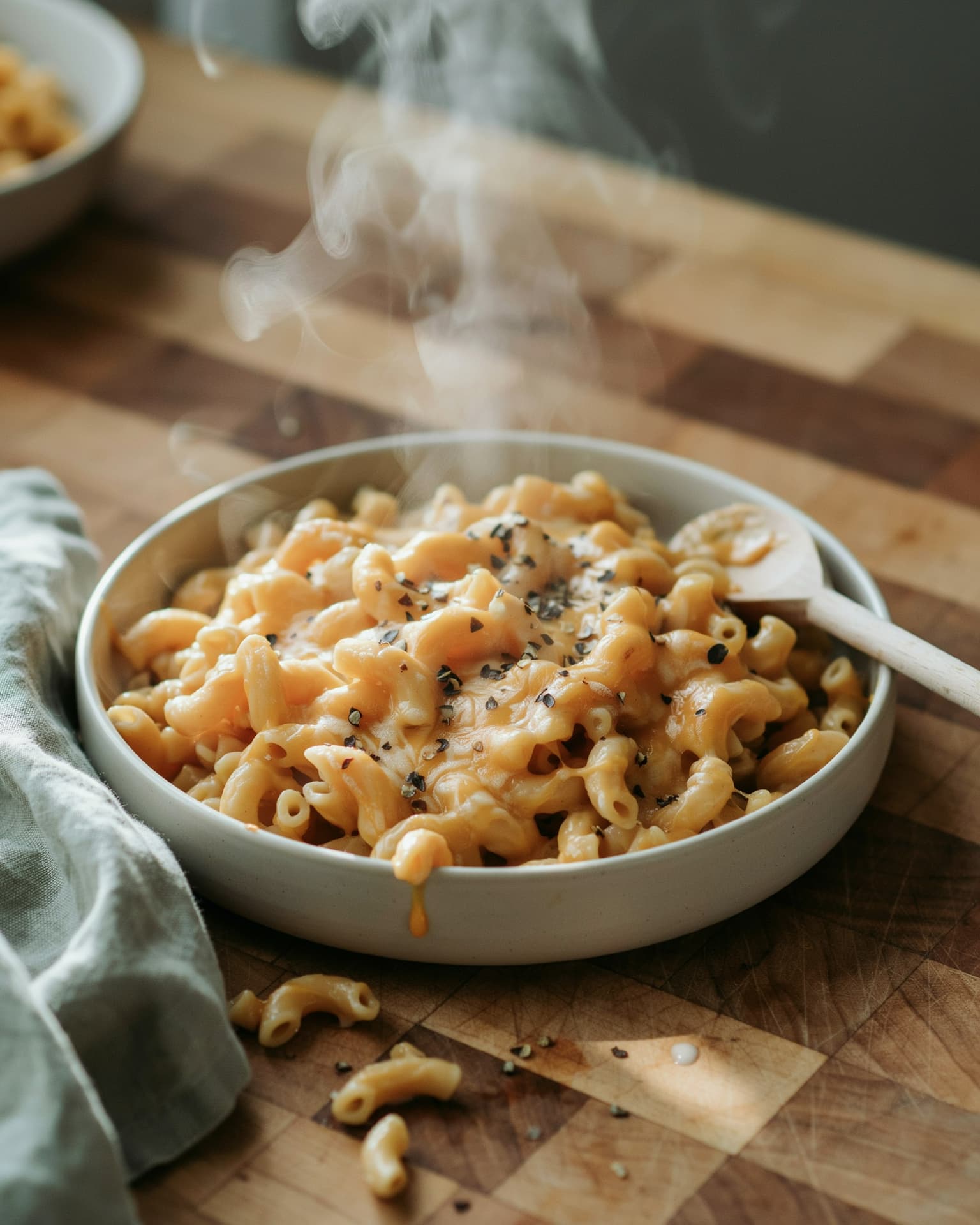
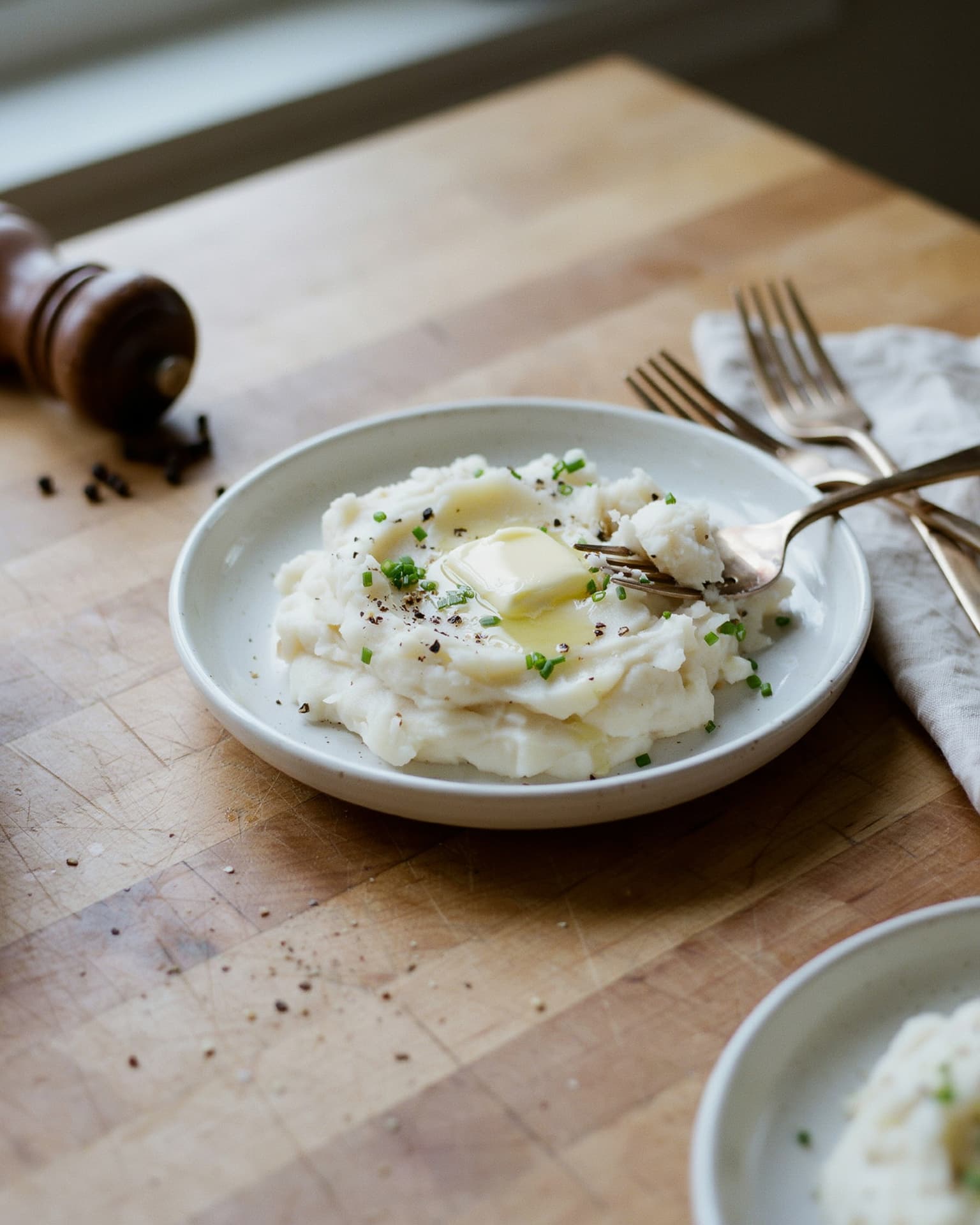
Creamy mashed potatoes romantic dinner ideas for two is a quiet act of precision, not a celebration of excess. Most recipes treat mashed potatoes as a binary: too much for a weeknight or skimping into pasty sadness. This one breaks that. One pound of russets, the right butter-to-spud ratio, and a single hot-fat infusion before mashing — that’s the whole engineering marvel. It’s the kind of small-batch side that makes a Tuesday healthy dinner ideas for two for two feel like a date-night affair.
I’ve chased lumpy, gluey, and waterlogged versions across too many rushed dinners. The fix isn’t more cream cheese or heavy cream — it’s temperature. Cold dairy turns starch into a gummy mess. Keep it hot, and you unlock the fluff.
Why This Works: Hot Butter & the Starch-Fat Handshake
Mashed potatoes are an emulsion. The potato cells burst open during cooking, releasing amylose and amylopectin starches. If you whip cold butter and cold milk into hot potato, the fat stays in solid globules, never properly coating the starch granules. That’s how you get paste. But when you melt butter together with warm milk, pour it over freshly riced potatoes, and stir with a light hand, the liquid fat slips between starches, trapping air and creating a cloud-like texture. A ricer finishes the job by separating cells without shearing them into glue. This two-step — hot fat + gentle particle separation — delivers the fluffiest small batch I know.
What Most Recipes Get Wrong
Almost every top result for “mashed potatoes for two” misses the temperature trap. They instruct you to drain the potatoes, then add cold butter and cold milk before mashing. The shock drops the potato temperature instantly, and instead of a silky emulsion, you get a stodgy, paste-like mash. The single most transformative step — warming the dairy with the butter — appears in fewer than one in ten recipes. The second common failure: rinsing after cooking instead of before. Rinsing cooked potatoes yields a watery, flavorless mess. The starch you want to remove is on the outside of raw chunks, not inside the cells. And finally, many recipes skip the drying step, leaving surface water that dilutes the butter and turns things soupy. The fix is simple: cold start, pre-rinse, hot fat, steam dry, and a gentle fold. That sequence, and nothing else, delivers true creaminess.
Chef’s Tips & What I’ve Learned
Chef Augustin’s Tip: Always double the salt in your cooking water compared to what feels reasonable. The water should taste like the ocean. The potatoes absorb only a fraction, but it’s the only chance to season from the inside out. Undersalted cooking water produces bland mash that no amount of finishing salt can fix.
Chef Augustin’s Tip: The ricer isn’t a luxury — it’s an insurance policy. I’ve tested mashing with a fork, a masher, a ricer, and an electric mixer. The ricer won every blind taste test for fluffiness because it severs the starch threads without grinding them into glue. If you mash potatoes more than once a month, it’s worth the drawer space.
A warm bowl matters more than you think. If you pile steamy mash into a cold ceramic bowl, condensation forms on the bottom and thin the potatoes. Heat the bowl with hot water, wipe it dry, and serve immediately.
Potatoes are 80% water. That water must evaporate before fat can penetrate. The steam-dry after boiling is not optional — it’s the gateway to richness.
FAQ
How many potatoes for two servings?
One pound (450g) of russet potatoes, roughly 2 medium-large spuds, yields about 2 cups of mashed potatoes — enough for two generous side portions. If your main leans light, a pound provides roughly 1 cup per person, which is plenty alongside a protein and a vegetable. For hungrier appetites or leftover purposes, scale to 1.5 pounds and increase butter to 6 tablespoons and milk to ½ cup.
Can I make this without a ricer?
Yes, but with a caveat. Use a standard potato masher and work in gentle, vertical presses — no twisting or stirring. Stop the instant no lumps remain. The texture will be slightly denser than ricer-fluff, but still creamy if you keep the dairy hot and avoid overworking. I’ve tested both side-by-side, and the masher version is still better than most restaurant mash.
Why cold dairy makes mashed potatoes gluey?
Cold fat remains semi-solid; it can’t coat starch granules evenly. The butter sits in pockets rather than dispersing into a continuous phase. That leaves bare, sticky starch clusters that grab onto each other and create a gummy texture. Warming the milk and butter together melts the fat completely and lowers the milk proteins’ tendency to over-hydrate, giving a silkier, non-gluey result.
Can I freeze leftover mashed potatoes?
Yes, but with a texture trade-off. Spread the cooled mash in a thin layer in a zip-top bag, press out air, and freeze flat. Reheat gently on the stove with a splash of warm milk, stirring just until smooth. The fluffiness won’t fully return — freezing ruptures some cells — but the flavor holds. This small batch rarely leaves leftovers; I’d freeze only for a planned future meal.
What’s the best potato variety for creamy mash?
Russets. Their high starch (20–22%) and low moisture produce the fluffiest texture. Yukon Golds, while offering a buttery color and taste, contain more moisture and can become gluey if mashed aggressively. Waxy varieties like red potatoes are a non-starter — they never break down properly for a creamy consistency. Stick to russets for this small-batch approach.
Can I add roasted garlic or other flavors?
Absolutely. For roasted garlic, add 3–4 cloves roasted at 400°F until soft and golden, then mash them into the warm butter-milk mixture before folding. Fresh herbs like thyme or rosemary can be steeped in the hot dairy and strained out. A spoonful of whole-grain mustard or a handful of grated Parmesan folded in at the end adds depth without compromising texture. Always keep the liquid proportion consistent to avoid soupy mash.
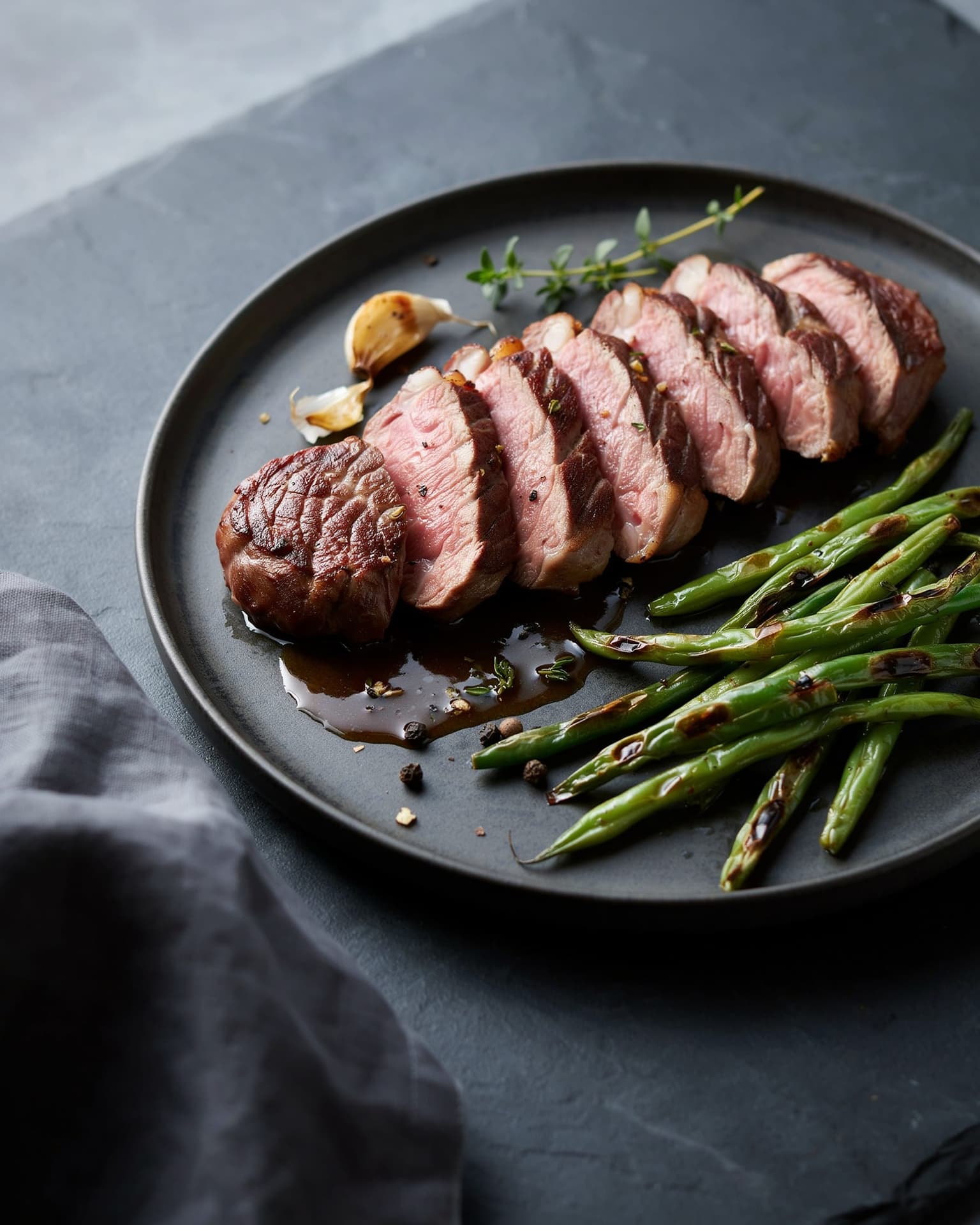
A spoonful of mashed potato is only as good as the meal that surrounds it. Picture a small cast-iron skillet still sizzling with quick recipes dessert for two ideas for two for dinner, the skin crackling gold, a puddle of lemony pan sauce threatening to breach the edge and pool into the potato well. Now imagine that forkful: a bite of tender chicken, a drag through the buttery cloud, and a sharp burst of fresh chive. That’s the moment this recipe is for. The kitchen smells like browned butter and earth; the plates are warm; there’s just enough for seconds if you’re feeling generous. No one’s counting.