Article and tips
Stovetop Mac and Cheese for Two (No Baking, One Pot)
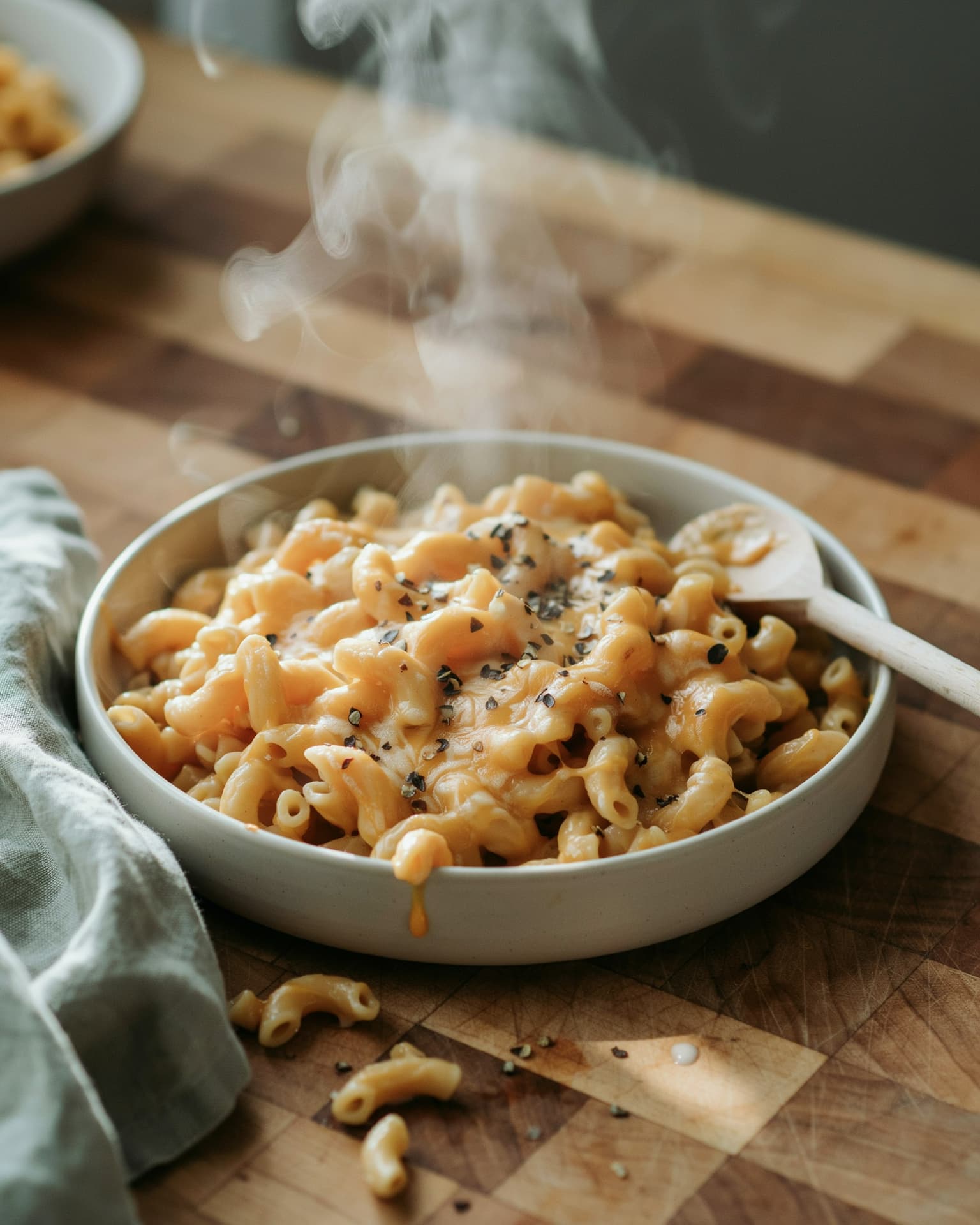
Most mac and cheese recipes are built to feed a crowd, then hastily halved — which is exactly why the sauce breaks when you scale it down. When you cook 8 ounces of pasta instead of a pound, the ratios that hold a big pot together turn against you, and you end up with a puddle of oily orange grease. This is a [easy chicken dinners for two for two for two for two](/recettes/easy-chicken-dinners-for-two) engineered from the ground up for two people, where every gram of cheese and every splash of milk is measured to stay silky on a stovetop that cools fast in a small pan.
Here's my angle, and it's the one thing the top results miss: every recipe I found either bakes the dish (drying out a portion this small) or leans on a giant pot of pasta water and guesswork. The secret to two-serving mac and cheese is finishing the pasta in the sauce, not draining it dry. That starchy coating is your emulsifier. Skip it and no amount of cheese will save you.
Why This Works
Cheese sauce is an emulsion — fat suspended in liquid, held together by proteins and starch. When you overheat cheddar, the proteins seize and squeeze out their fat, and the sauce "breaks" into greasy curds swimming in liquid. The fix is twofold. First, I build a light béchamel: butter and flour cooked into a roux, then whisked with warm milk. The flour's starch molecules physically wrap around fat droplets and keep them suspended. Second, I pull the pan off direct heat before the cheese goes in, melting it in the residual warmth (around 150°F / 66°C) rather than a rolling boil.
Sharp cheddar carries flavor but breaks easily on its own. That's why I blend it with a spoon of cream cheese — the stabilizers and extra emulsifiers in cream cheese are cheating in the best possible way, and they guarantee a glossy finish even if your timing slips. Reserving a half cup of starchy [easy healthy dinner recipes romantic dinner ideas for two for two for two](/recettes/easy-healthy-dinner-recipes-for-two) water gives you a lever to loosen the sauce at the very end without watering down the flavor. I've tested this with whole milk versus 2%, and whole milk wins decisively — the extra fat gives the sauce body that low-fat milk simply can't fake.
What Most Recipes Get Wrong
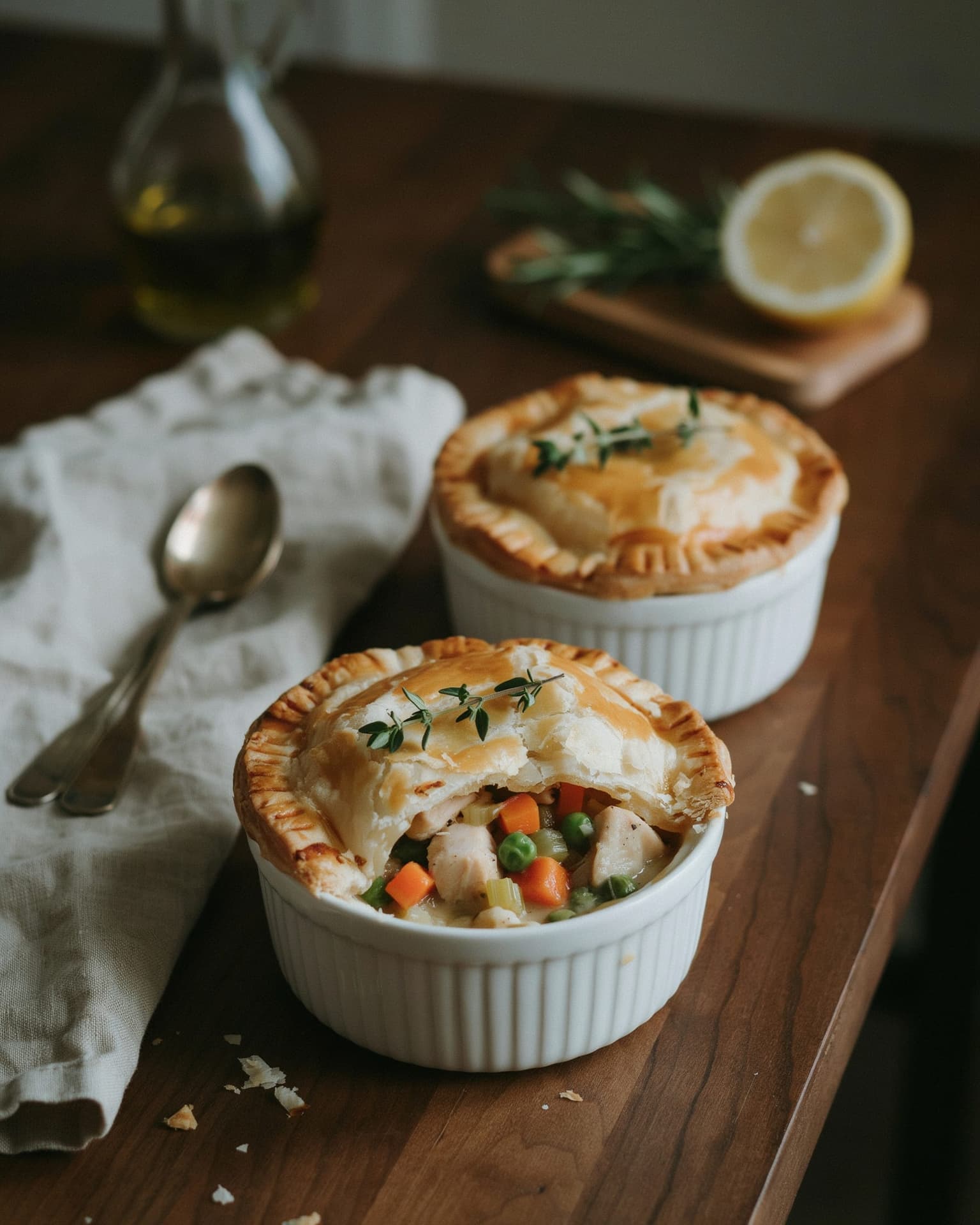
The top-ranking recipes all make the same two mistakes. First, they drain the pasta bone-dry and toss it in a finished sauce, which means you lose the starch that keeps everything emulsified. Second, several of them bake the dish — and baking a two-serving portion is a trap. There's so little mass that the surface dries into a crust and the interior overcooks before any browning happens. A large baked mac has enough thermal mass to protect its center; a ramekin dessert for two ideas for two for two does not. Stovetop is not the lazy option here. It's the correct one for this scale. Finish the pasta in the sauce, keep the cheese off direct heat, and you get restaurant-smooth results in half the time.
Chef's Tips & What I've Learned
Grate your own cheese, always. The five extra minutes buy you a sauce that actually pours.
Chef Augustin's Tip: If you want to turn this into a full dinner, sear 6 ounces of diced healthy dinner ideas for two to an internal 165°F / 74°C in a separate pan and fold it in at the end — the crispy edges against the creamy sauce are a genuine upgrade.
Chef Augustin's Tip: A pinch of freshly grated nutmeg in the béchamel is the classic French move. It's invisible in the finished dish but it makes the dairy taste rounder and deeper. Add it with the milk, not the cheese.
Good mac and cheese is 90% ratio and 10% patience — rush the cheese-melting step and the whole thing falls apart.
How to make mac n cheese for 2 people?
Use 8 ounces (about 2 cups dry) of pasta, a 2-tablespoon butter-and-flour roux, 1 cup of whole milk, 2 ounces of cream cheese, and 6 ounces of grated sharp cheddar. Boil the pasta one minute short of al dente, build a béchamel in the same pot, melt the cheese off the heat, and fold the pasta back in. Start to finish it takes about 25 minutes and dirties just one pot. The whole thing serves two generously without leaving forgotten leftovers.
How much macaroni should I cook for 2 people?
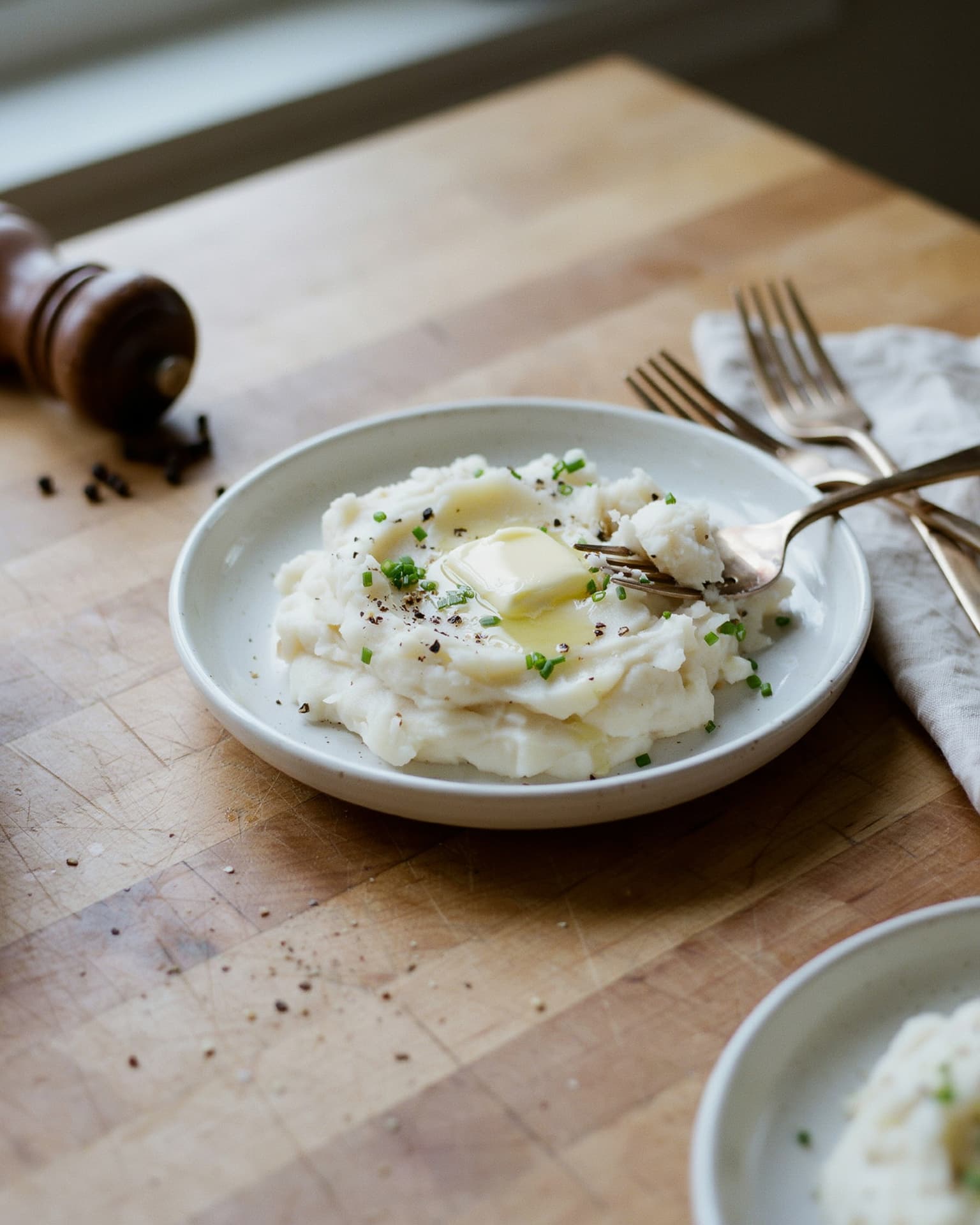
Cook 8 ounces of dry pasta — roughly 2 cups of dry elbows or cavatappi — for two hearty main-course servings. Dry pasta roughly doubles in volume when cooked, so 8 ounces yields close to 4 cups cooked. If mac and cheese is a creamy mashed potatoes for two rather than the main event, drop to 6 ounces (about 1 1/2 cups dry). I always err on the generous side because reheated mac and cheese the next day is one of life's small mercies.
How much cheese do I need for mac and cheese for two?
For an 8-ounce batch of pasta, use 6 ounces of grated cheese plus 2 ounces of cream cheese, for 8 ounces of cheese total. That's roughly a 1:1 ratio of pasta to cheese by weight, which lands squarely in creamy territory without being greasy. If you like it extra rich, push the cheddar to 7 ounces, but keep the cream cheese fixed at 2 ounces — its job is stability, and more won't make it creamier.
Can I make this ahead of time?
Honestly, mac and cheese is best the minute it's made, but you can hold it for a day. Store it in the fridge in a sealed container and reheat gently on the stovetop with a splash of milk, stirring constantly over low heat to bring the sauce back together. Avoid the microwave if you can — it heats unevenly and can break the emulsion into an oily mess. Never freeze it; the sauce separates on thaw and no amount of stirring fully recovers the texture.
What pasta shape is best for mac and cheese?
Short, ridged, or curled shapes win because they hold sauce inside and out. Cavatappi (corkscrews) is my favorite for the way sauce spirals into the tubes. Classic elbow macaroni is the nostalgic standard and works beautifully. Shells are excellent — their cups scoop up pockets of sauce. Avoid long shapes like spaghetti and smooth shapes without ridges, since the sauce slides right off. Whatever you choose, cook it one minute short so it finishes in the sauce.
Dim the kitchen light, set two bowls on the counter, and eat the first forkful standing up while it's still steaming — that's the only right way to start.